
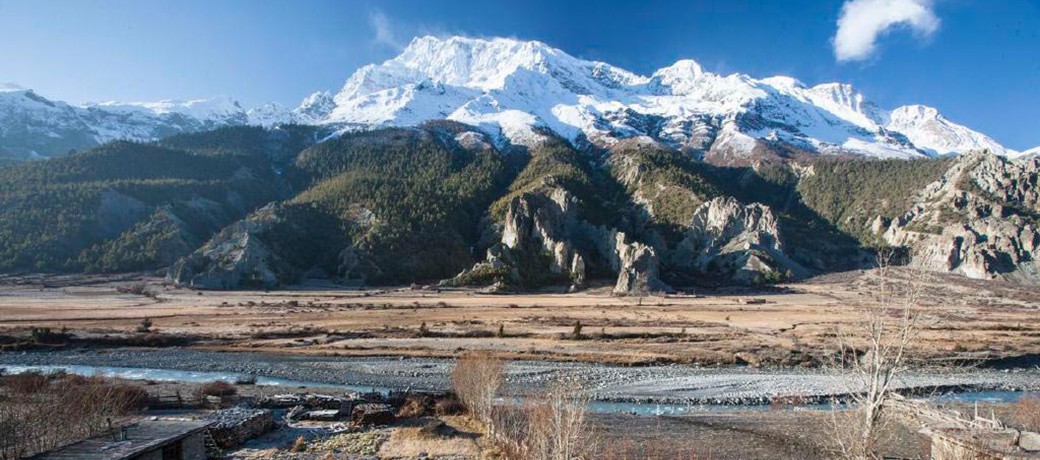
© Photo: Thomas L. Kelly/www.thomaslkellyphotos.com
Mission Statement
The mission of the Himalayan Otter Network is to foster a partnership connecting conservationists and researchers across the Himalayan region in order to strengthen the protection of otters living in the rivers and wetlands of this spectacular landscape. As an initiative of the IUCN SSC Otter Specialist Group (OSG), the Himalayan Otter Network works to align its efforts with global otter conservation strategies and goals.
Mountainous parts of Afghanistan, Pakistan, India, Nepal, China and Bhutan share similar natural environments and human lifestyles, and otters in these countries all face similar pressures from illegal trade, habitat pollution and poaching. We seek to strengthen communication among partners, facilitate collaboration, share information and best conservation practices, and create sustainable community partnerships to protect Himalayan otters.
Our vision for the future includes a safe natural landscape for otter populations, coupled with abundant and clean water resources for human communities.
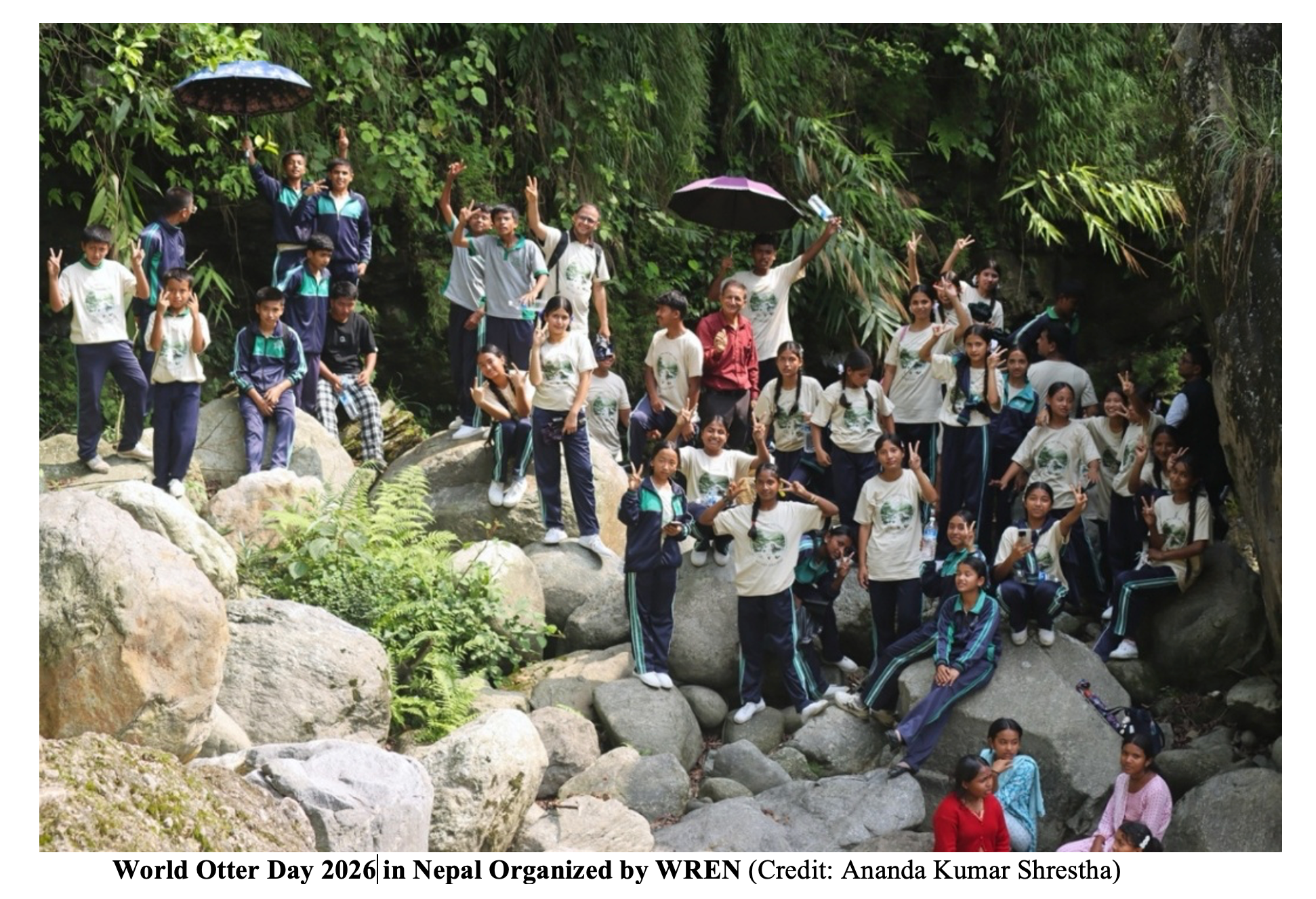
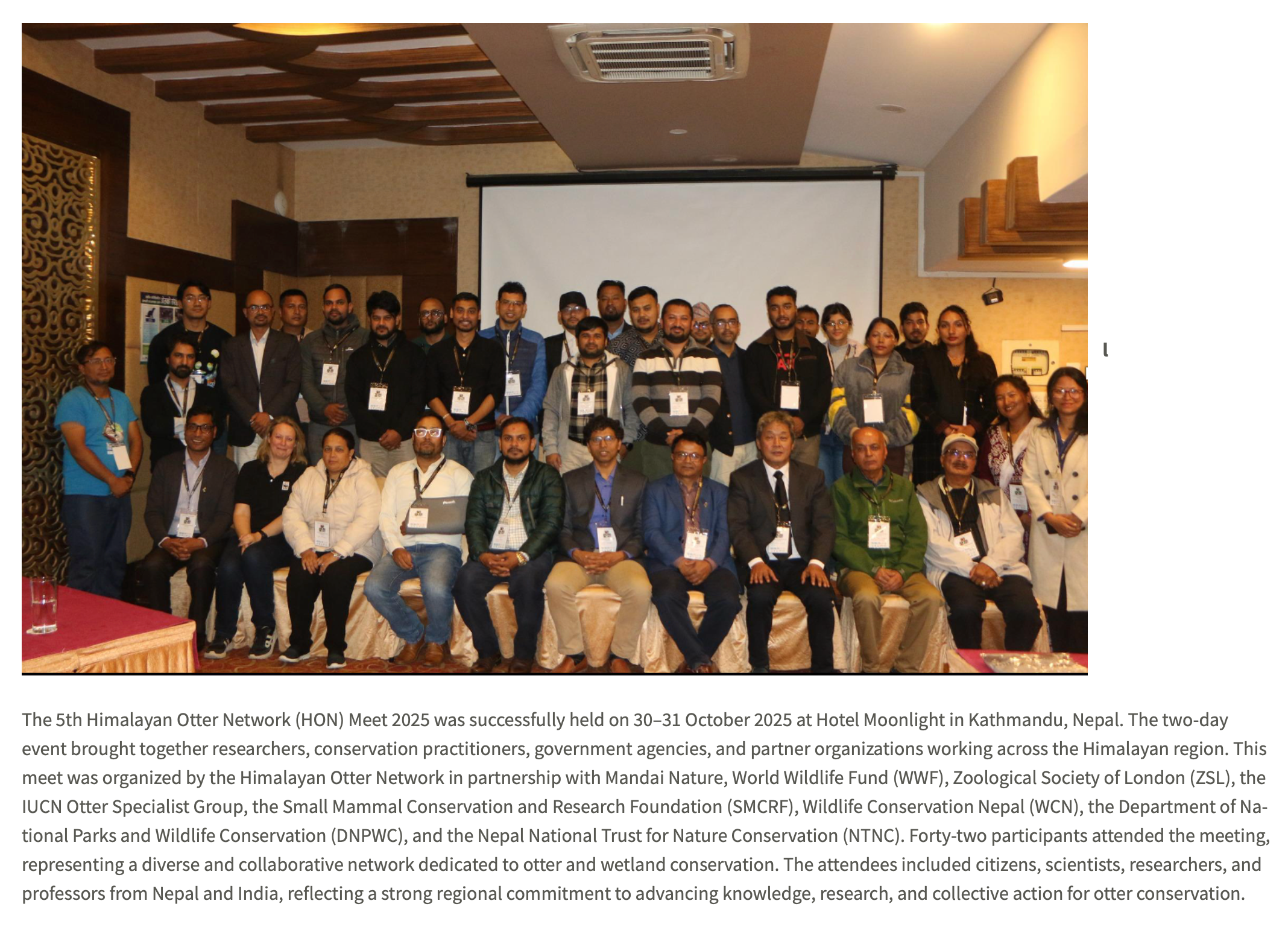
The 5th Himalayan Otter Network Workshop
was held in
Kathmandu, Nepal
on October 30 and 31, 2025
This event offered many exciting presentations on otter research and conservation from across the Himalayan Region. .
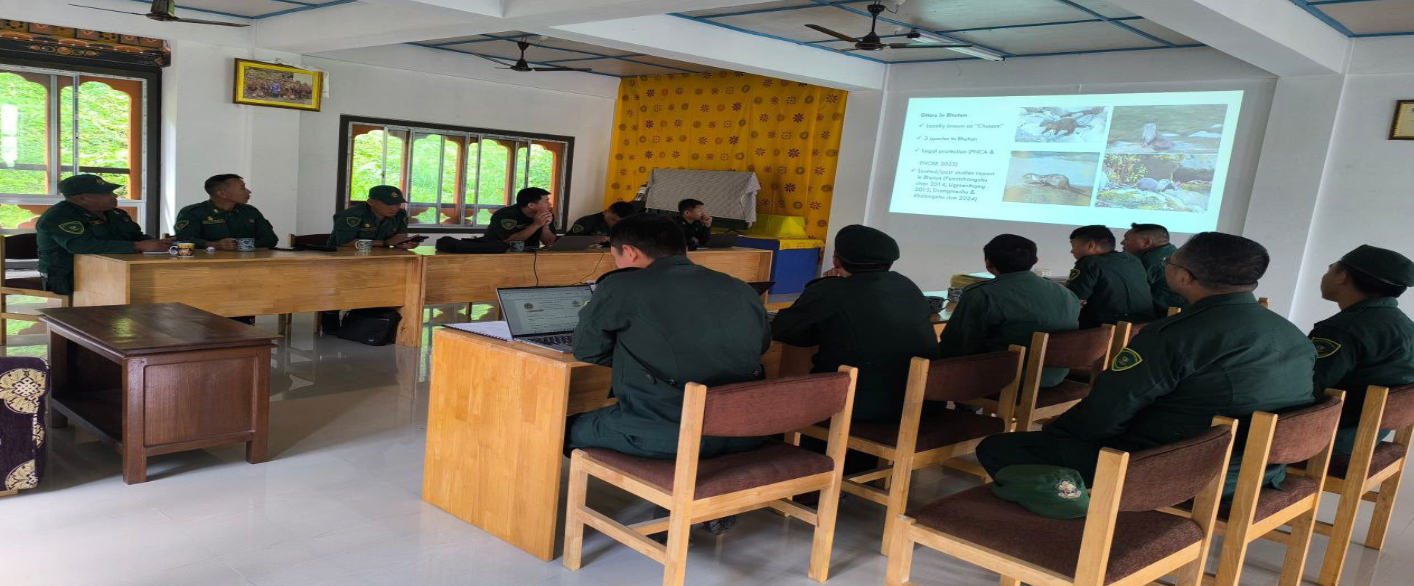
Large-scale field surveys in Bhutan initiated in 2025 and 2026 together with field survey training workshop
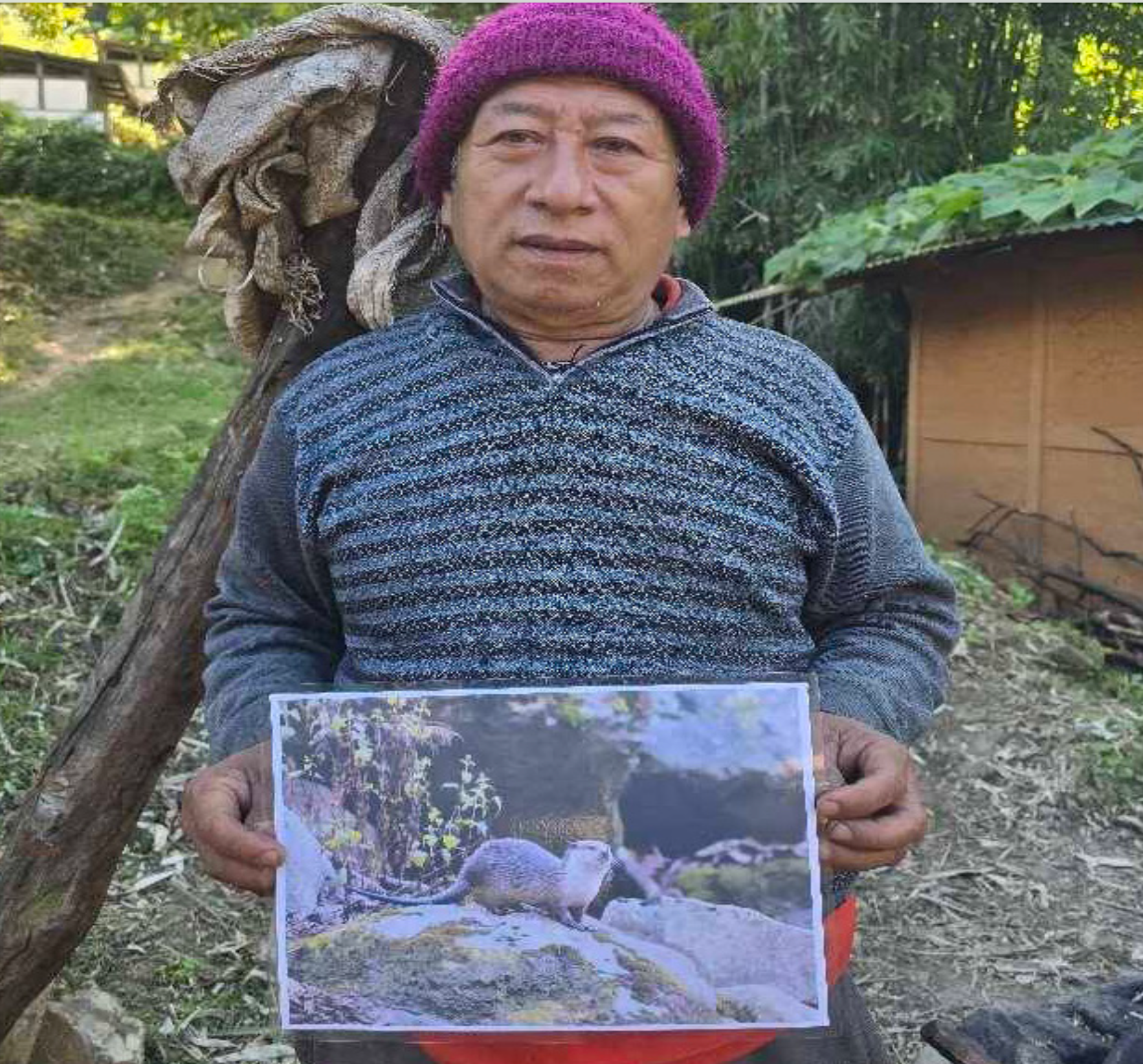
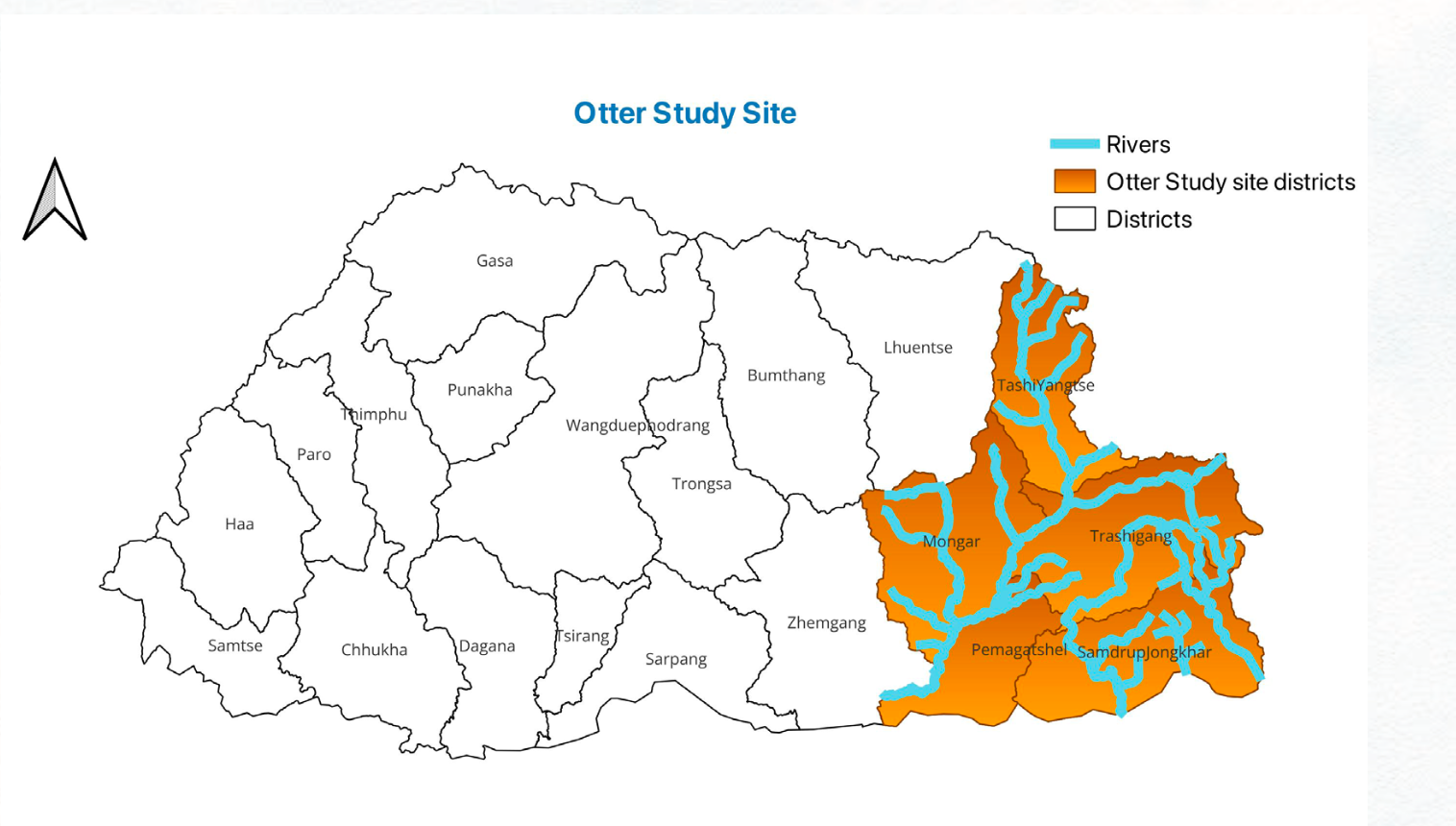
With the generous support of Hertfordshire Zoo and the Four Corners Institute, the Royal Society for Protection of Nature (RSPN) is currently implementing the project ‘Otter Distribution Studies in Bhutan’. The project will end by mid- 2026. Otter populations are declining steeply across Asia and the Himalayan region, subject to intensifying pressures of expanding human populations, fragmentation of habitat, declining water quality, loss of an adequate prey base, construction of hydroelectric power generation facilities, and intensifying pressure from the pet trade. The Otter presence in Bhutan has been reported in several freshwater rivers of Bhutan. However, only limited studies on Otter distribution in Bhutan are available and to date, no comprehensive survey had been conducted.
There is a need to address the information gap on occupancy, distribution, and conservation threats to otter species throughout the country and to promote a greater appreciation of the species among the public, especially among the human communities that share a habitat with otter populations. Three species of otters are reported in Bhutan; the Eurasian Otter (Lutra lutra), the Smooth-coated Otter (Lutrogale perspillata) and the Small-clawed Otter (Aonyx cinerea). Through this project, a survey of the eastern river basins that were previously unexplored for the presence of Otter was carried out. The survey document otter status and distribution knowledge.
An assessment was also carried out of local community perceptions of otters along the surveyed rivers, and the identification of current and potential conservation threats, including otter/human interactions and conflict.
Strengthening communities’ livelihood and stewardship to conserve otters in Nepal
In the Lower Karnali Watershed in Western Nepal, indigenous river dependent communities and otters alike share and benefit from healthy river ecosystems. However, intensive fishing practices and river aggregates mining have severely depleted natural fish stocks, threatening the traditional livelihoods of Tharu and Sonaha communities.
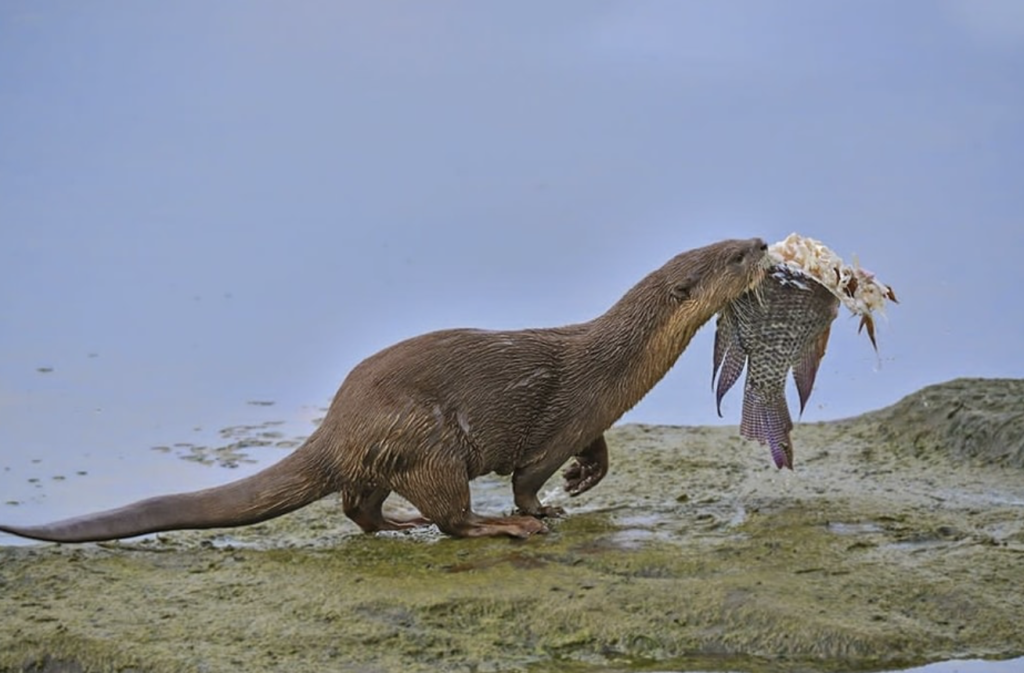
A project, funded to WWF/UK and WWF/Nepal, will improve the wellbeing of 200 marginalized river dependent households through inclusive community-based conservation of freshwater resources and livelihood diversification. Declining fish populations due to overfishing and habitat disturbance caused by intensive river aggregates mining threaten the health of the river ecosystem and smooth-coated otter populations which are in decline. The project will develop an inclusive and climate-smart otter National Otter Conservation Strategy for Nepal through a series of consultation workshops and multi-stakeholder meetings with federal, provincial and local governments, conservation organisations, and local communities.